
What is the best diet? What the experts agree on
Keto, Paleo, Vegan or Mediterranean? With so much conflicting advice, the reassuring surprise is how much different eating patterns have in common, and how much choice that leaves us.

How much protein do women really need in midlife?
Protein is everywhere. But how much do women really need for muscle, strength and fat loss? And when is more just marketing?

Omega-3 Supplements: Do we really need them?
Omega-3 fatty acids are important for heart and brain health, but do fish oil supplements offer additional protection? We examine what clinical trials and current guidelines tell us about cardiovascular disease, memory and dementia, alongside the nutritional benefits of oily fish, supplement quality and when supplementation might make sense.
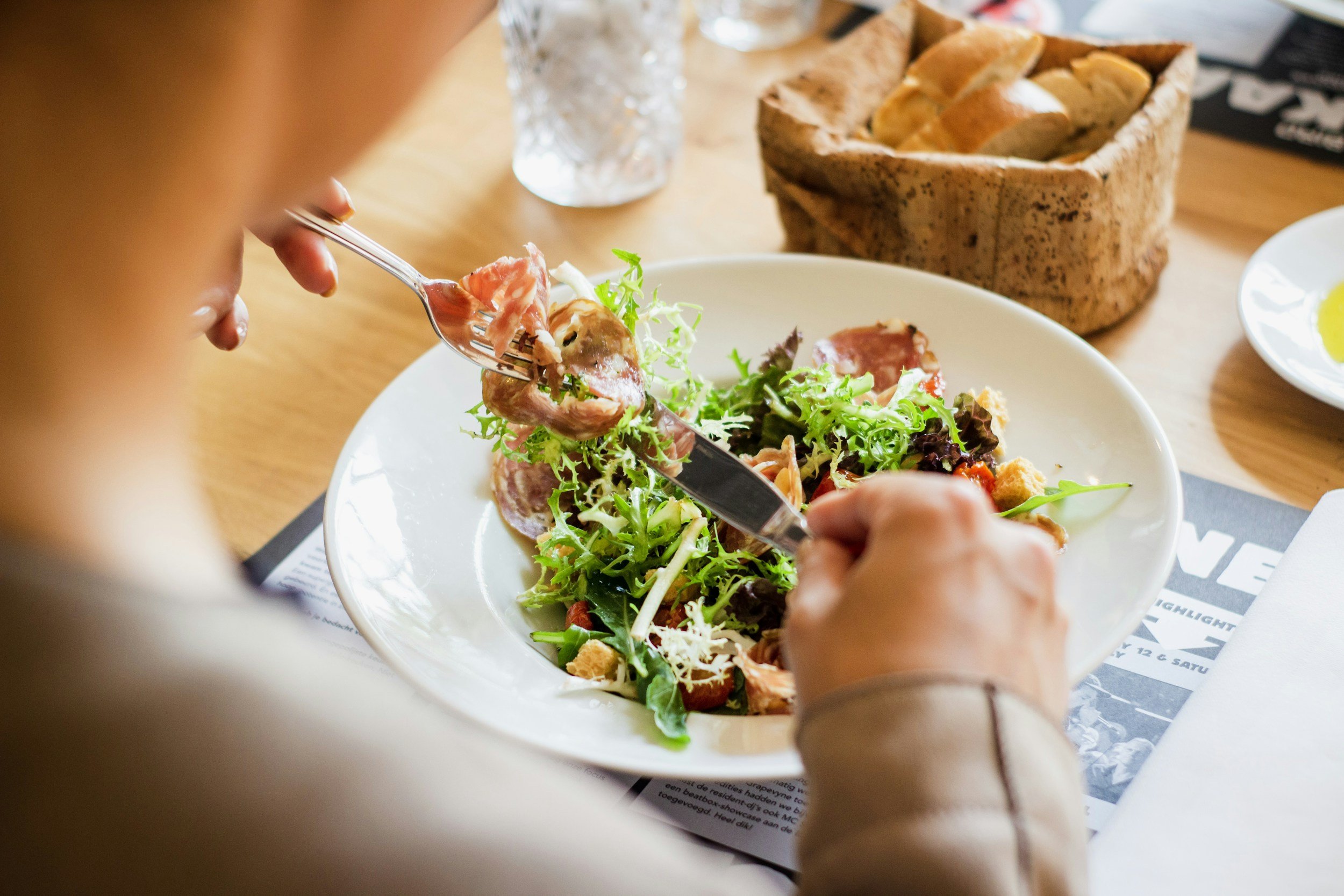
Hunger Games: Why restrictive diets can backfire
Why trying to eat less can make us want to eat more? Explore how hunger, appetite and our food environment influence eating, and why nourishment, self-care and flexibility offer a more sustainable approach to fat loss.

What changes in your body around menopause, and what can you do about it?
Menopause affects more than periods and hot flushes. What happens to bone, muscle, brain and cardiovascular health, and what can women do about it? This evidence-based guide explores the changes that matter, the benefits and limitations of hormone therapy, and practical ways to support health, strength and quality of life in the years ahead.

Why knowing what to do isn’t enough (and what helps instead)
Knowing what supports your health doesn't always make it easy to follow through. Competing priorities, established habits, unrealistic expectations and the hidden effort behind seemingly simple changes can all get in the way. Explore why good intentions don't always become actions, and how to make meaningful changes easier to repeat in everyday life.
Blood sugar, insulin and fat loss: what actually matters
Insulin matters. But does every glucose rise need managing? A practical look at blood sugar, fat loss, cravings and what really supports metabolic health.

Poor sleep and weight gain in midlife: what’s the link, and what can you do?
Poor sleep is common in midlife, but it does not automatically cause weight gain or stop fat loss. This article looks at what the evidence shows about sleep, appetite, insulin sensitivity, cortisol and energy balance, and what you can realistically do when sleep becomes disrupted.

Do short periods of movement really count?
Five minutes doesn't feel like enough to count. The evidence says the biggest gain isn't from doing more, it's from going from nothing to something.

Rethinking physical activity in midlife
Movement isn't just about burning calories. Muscle helps manage blood sugar and supports bone health and mood. Plus, the results of an 8-year trial on exercise after colon cancer treatment, and an easy way to get started.

Why fat loss feels harder after 40, and what to do about it.
Many women notice stubborn weight gain in their 40s and 50s. No, their metabolism did not slow down. Here's what really changes in perimenopause and menopause, and what still works.

What are you waiting for?
The right week to start a health and fitness routine never quite comes. Why waiting costs more than the time, and why the messy week is the one to start in.

The truth about Intermittent Fasting for women over 40, Part 2: Autophagy, cortisol, and the sign it isn't working for you
Whether fasting and a GLP-1 medication can be combined safely is a common question, and the honest answer is more nuanced than most quick answers suggest. Here's what's actually known about fasting, autophagy, cortisol, and GLP-1 medications, and what to be cautious about.

The truth about Intermittent Fasting for women over 40, Part 1: Weight management, muscle preservation, and metabolism
Does intermittent fasting work differently in perimenopause? Here's what the research actually shows, and where the popular claims fall apart.

How long does it actually take to build a habit, and why the answer might be the most freeing thing you have read recently.
No single number tells you how long it takes to build a habit. The science shows wide individual variation, simple tactics that make it stick, and answers that are more within reach than most people realise.

Why making time for your health feels impossible in midlife, and what to do about it
The day was already full before your needs made it onto the list. Motivation and discipline are highly variable and context-dependent. They are unreliable in the conditions most midlife women live in. The solution is to build a system that does not rely on them as much.

Why women struggle with weight gain and their health in midlife, and where to actually start.
More health information than ever. More chronic disease than ever. The problem is not what you know, it is the environment you are making decisions in, and what you can actually do about it.